All technical climbing equipment will be provided by your guiding service. However, if you have your own gear, feel free to bring it. You’ll need:
-
- Helmet
- Harness with a locking carabiner, belay device, and chalk bag
- Ropes
- Climbing hardware (quickdraws, cam devices, stoppers, etc.)
Here’s a list of the equipment you need to bring:
-
- Day pack large enough to carry all the items listed (around a 35-45L bag)
- Rucksack with cover (around a 55-65 bag, for a porter to carry your main gear)
- Dry bags
- Hiking poles — optional
- Rock shoes
- Water bottle or hydration bladder (2L capacity)
- Warm hat and a buff or scarf
- Sun hat
- Warm gloves or mitts and thin liner gloves are also useful
- Waterproof jacket and trousers
- Waterproof gaiters
- Warm jacket – fleece or down jacket, potentially ski jacket
- Waterproof jacket over the top
- Fleece tops or hiking shirts/sweatshirts
- Base layers or T-shirts
- Pair of trekking trousers and shorts
- Leggings or thermal bottoms or running tights
- Several sets of underwear – cotton best avoided
- Several pairs of good quality trekking socks
- Waterproof trekking boots
- Trainers or flip flops/sandals
- Rock shoes
- Toiletries (sunscreen, hand sanitizer, bug spray, toilet paper, etc.)
- Favorite snack bars
- Headtorch
- Powerpack for charging phones etc
- Wash kit — no showers on the mountain but you can have a bucket wash
- Flask for hot drinks — optional, useful on summit night
- Earplugs — optional
- Sunglasses
- Camera — optional (but recommended)
For camping, you need to bring:
-
- Sleeping bag
- Sleeping bag thermal liner
- Pillow
- Thick foam mat or self-inflating mat (like a Therm-A-Rest)
Dress comfortably and for the weather in clothes you can move in. We suggest bringing clothing appropriate for the season. Layers are best and don’t wear jeans. Keep in mind that despite the fact that Mount Kenya is on the equator in Africa, it can get very cold. In the early morning hours, the temperature can get to about -4 degrees Celsius and as high as 18 degrees Celsius during the day.
A porter can carry a max of 18kg/39.6Lbs, including food, accommodation, wages, etc. There will be multiple porters depending on the amount of baggage and in case your baggage weighs more, you can hire another porter for an additional fee.
Your guides can provide all of the technical climbing gear at no extra cost. After booking, your guides will provide more details about the required alpine climbing gear.
Got everything you need? Grab your gear through Active Junky and earn cash back on top outdoor brands — plus a $10 bonus on your first $25+ purchase. Shop now at Active Junky!

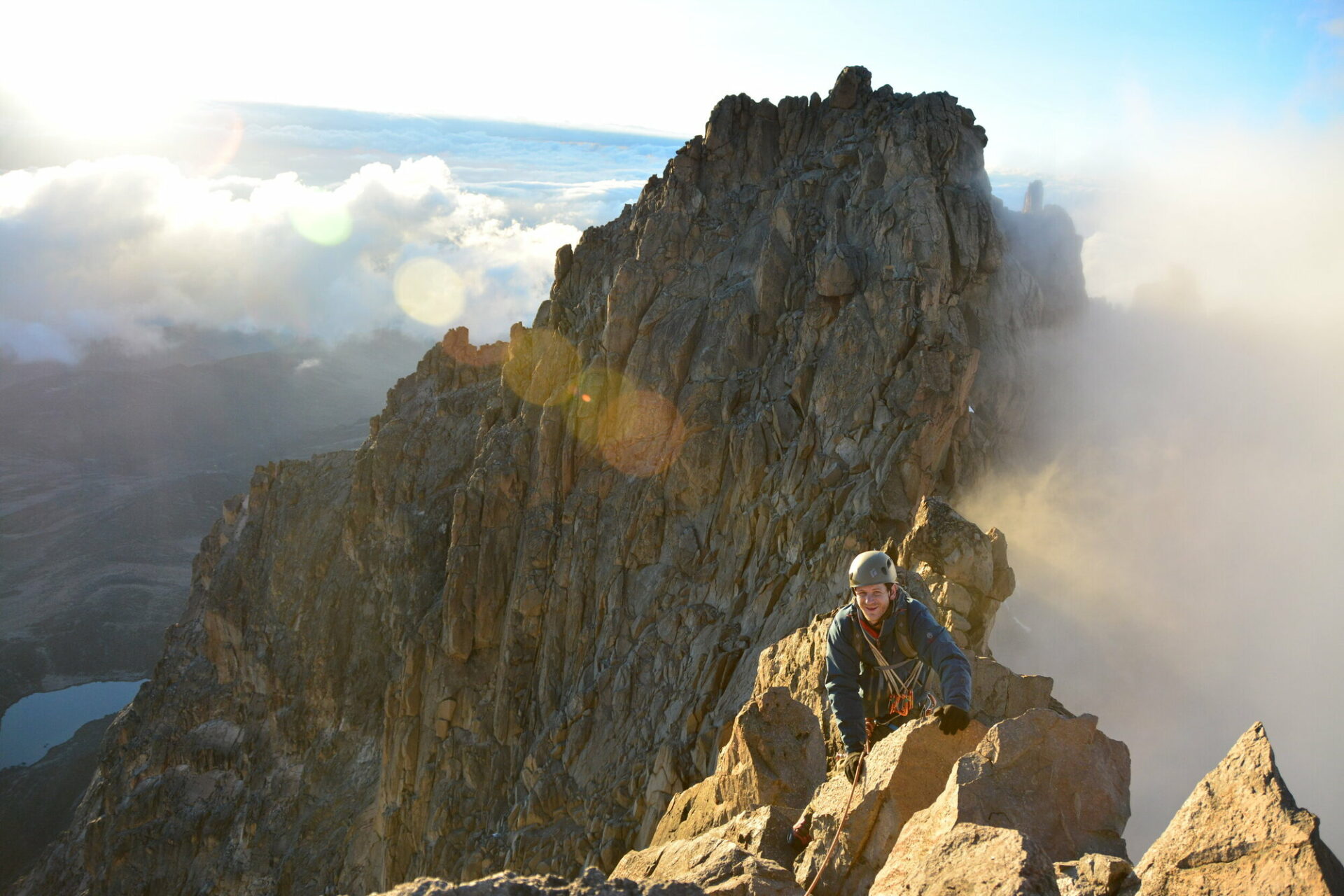
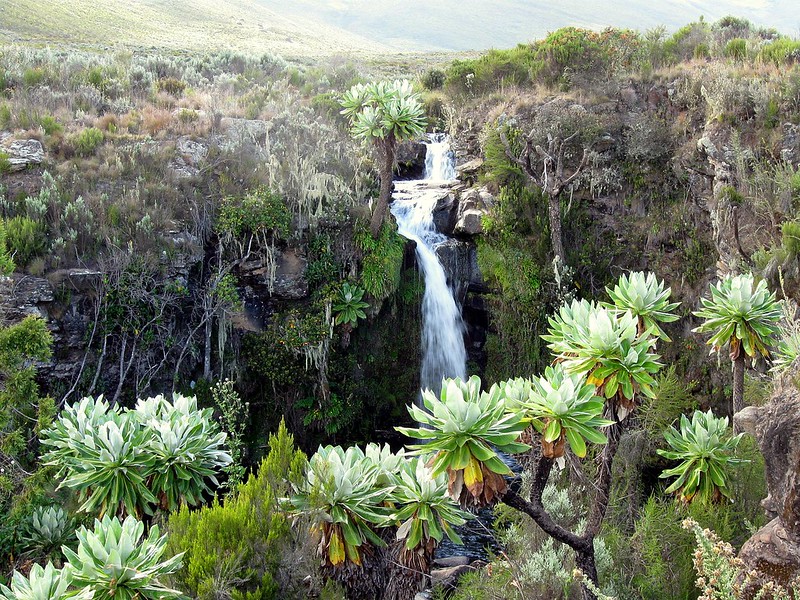
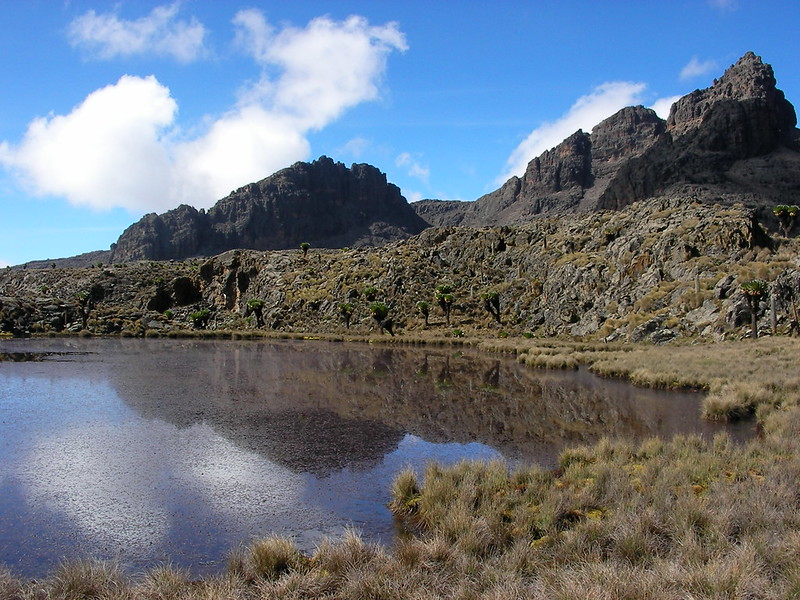
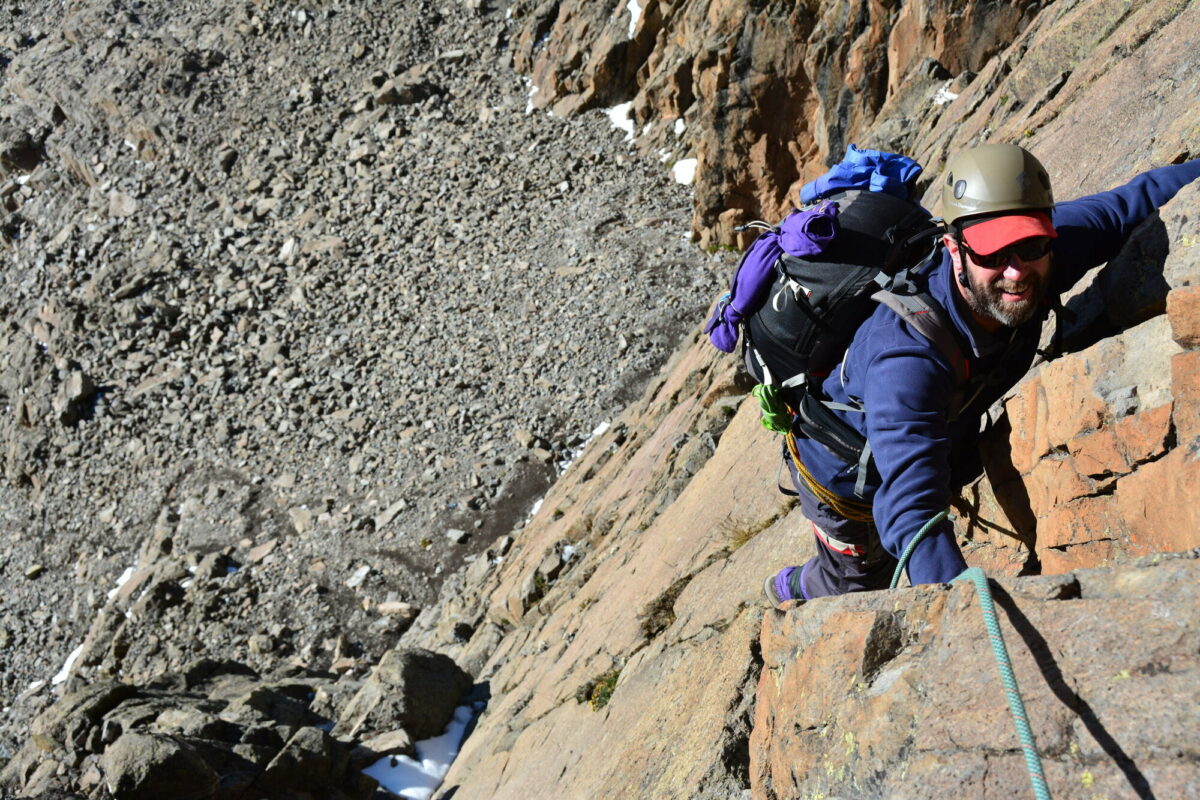
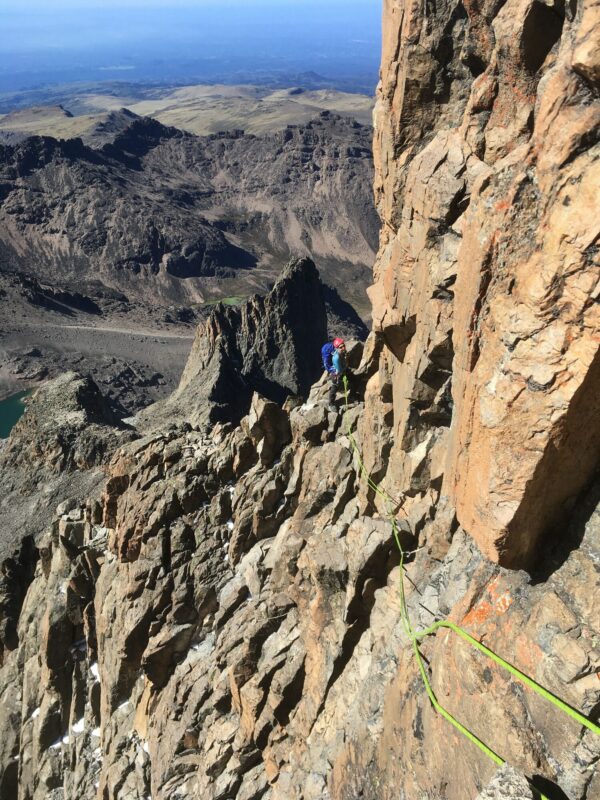
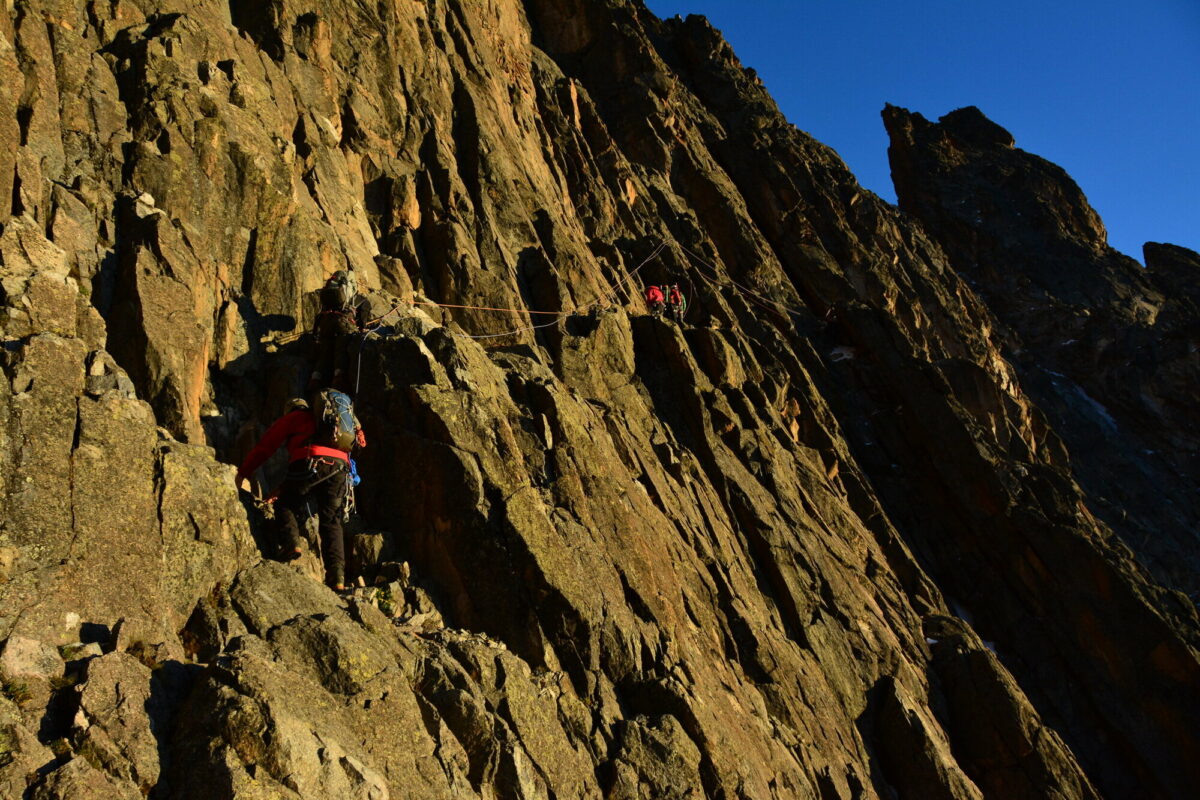
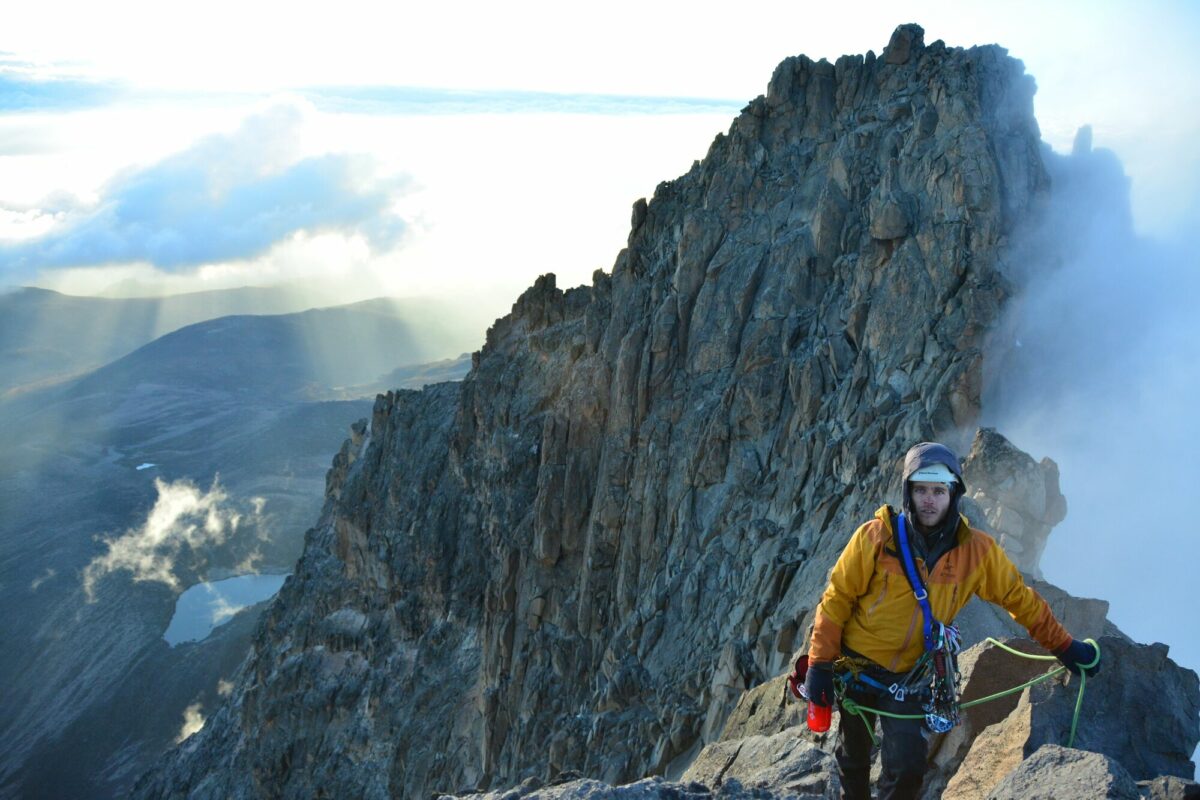
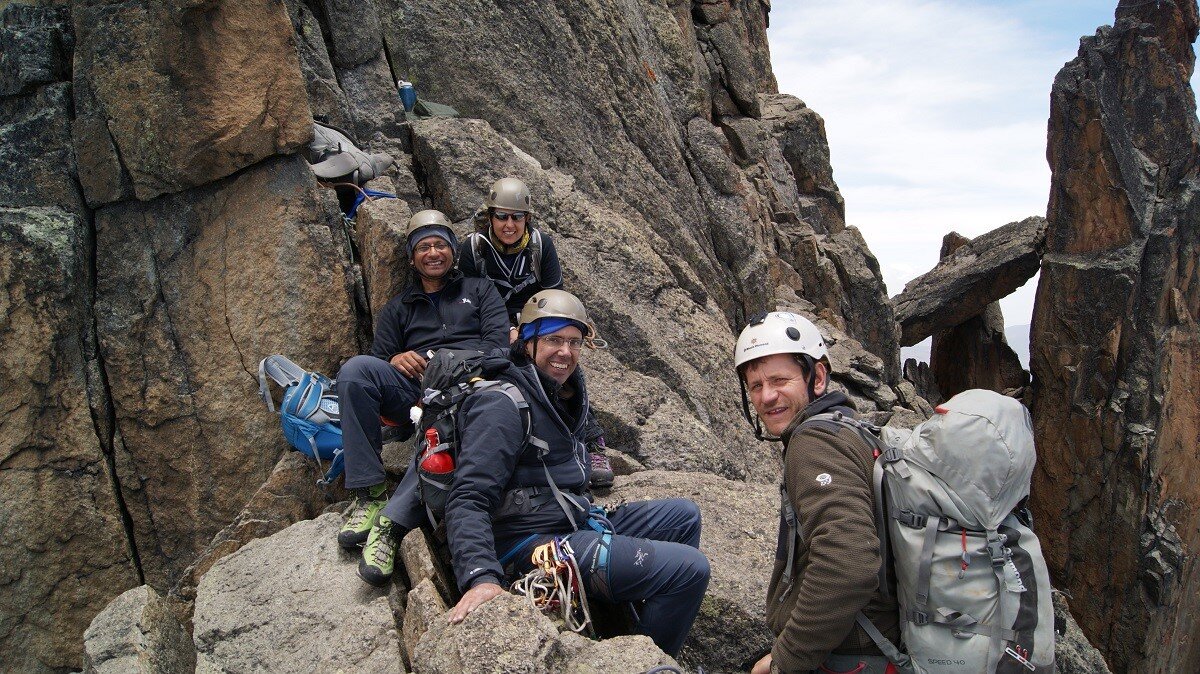
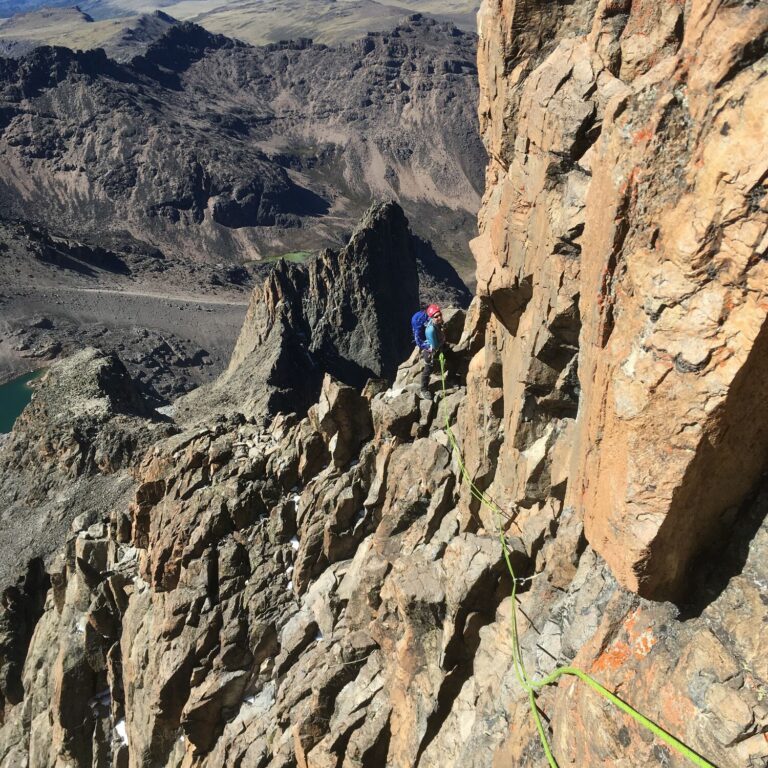
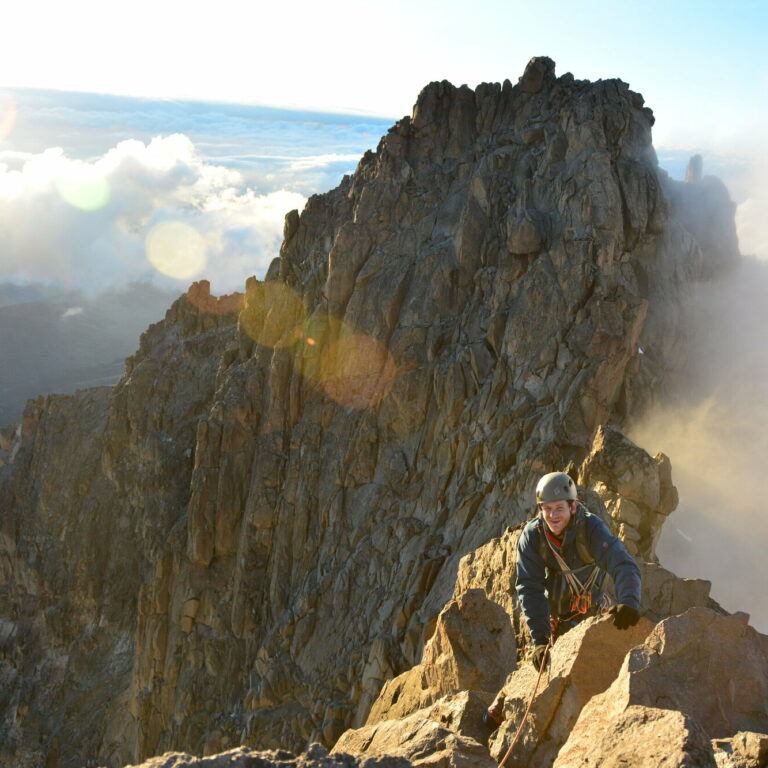

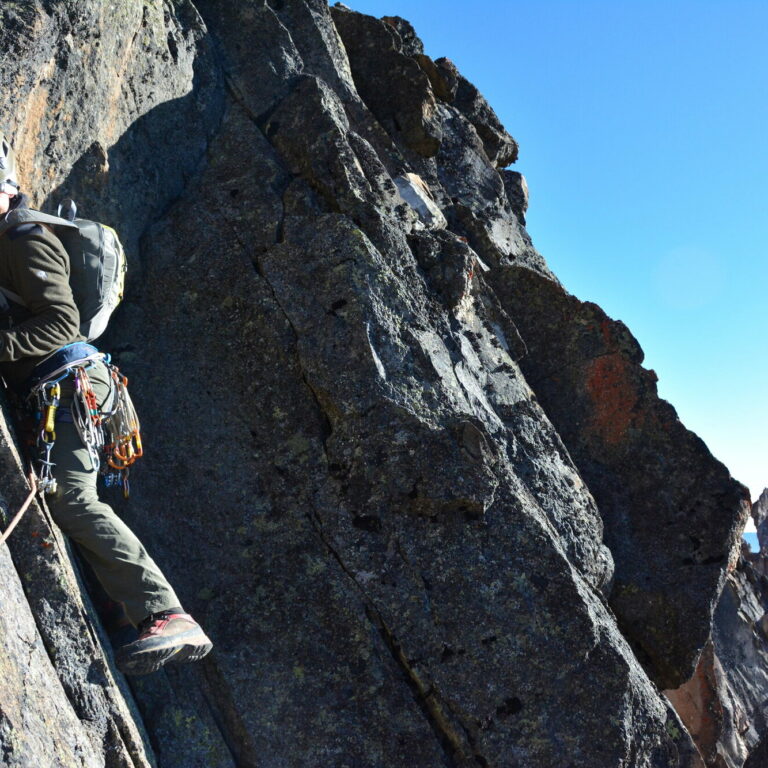

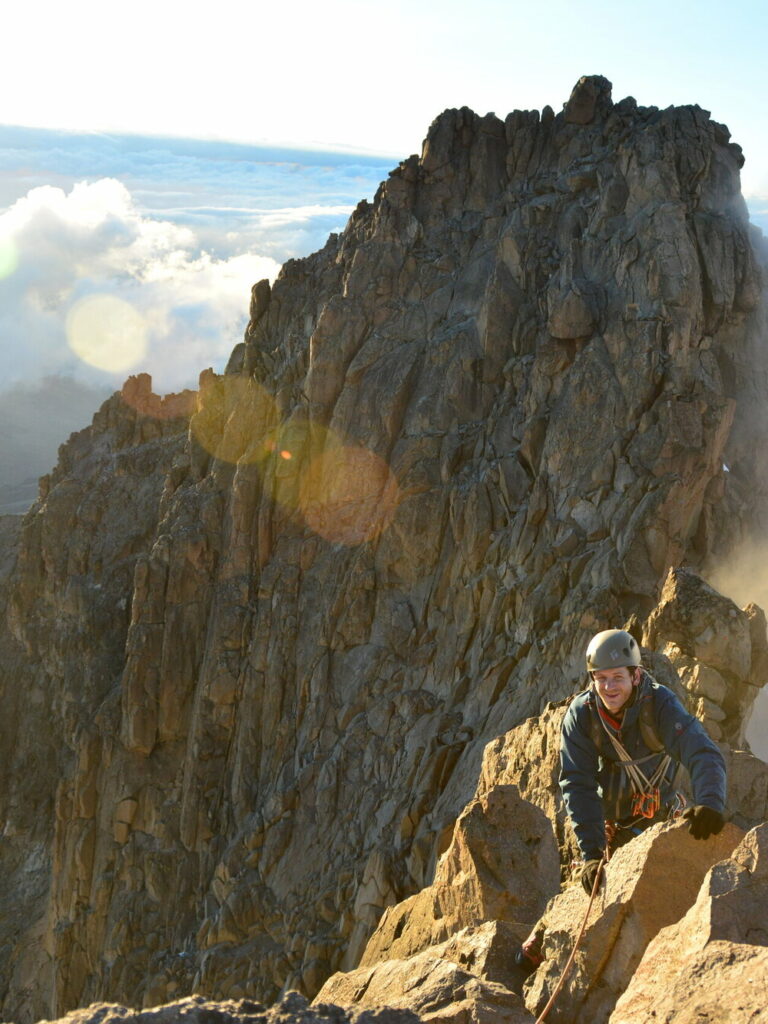

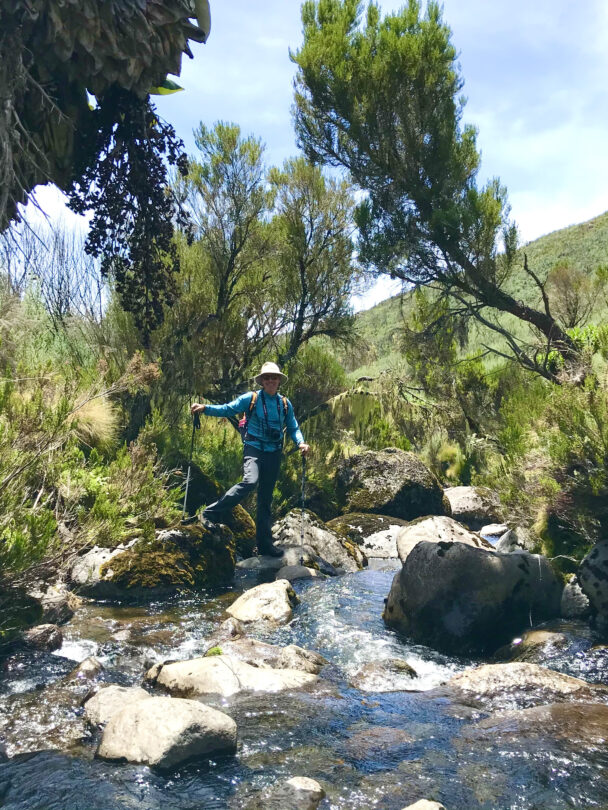
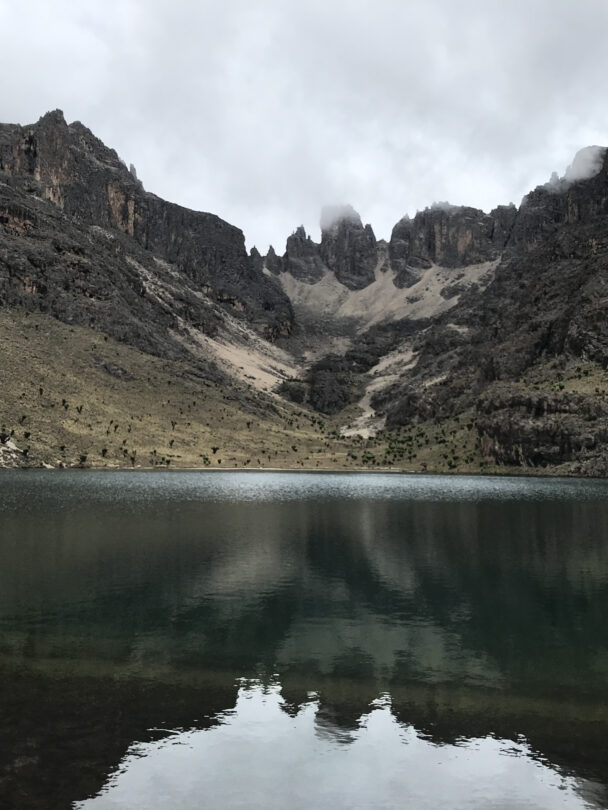
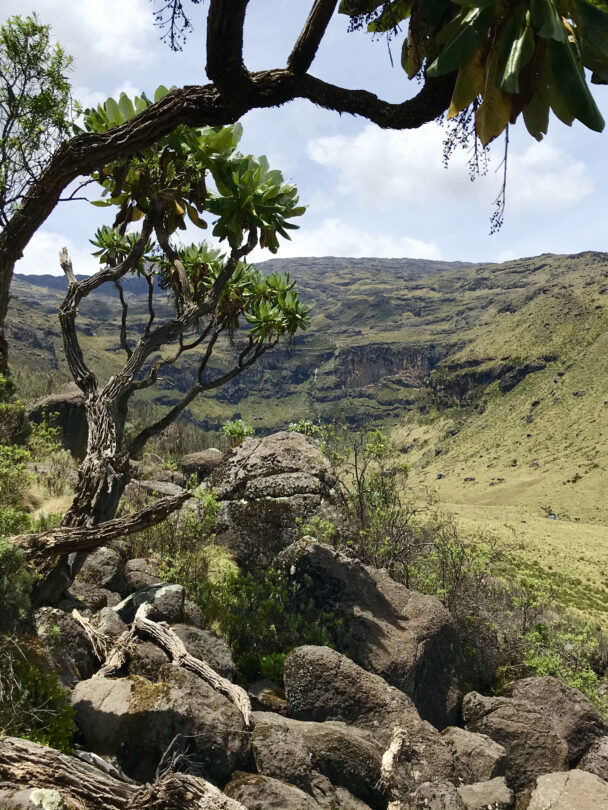
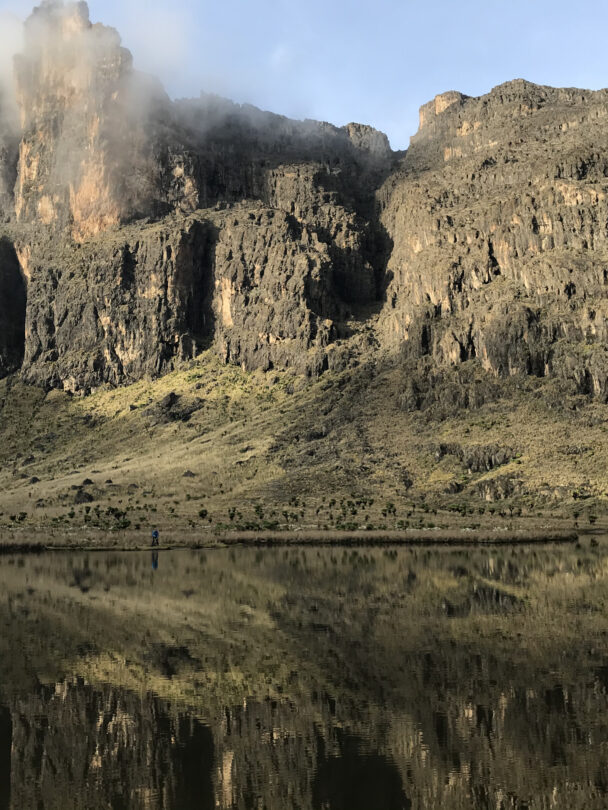
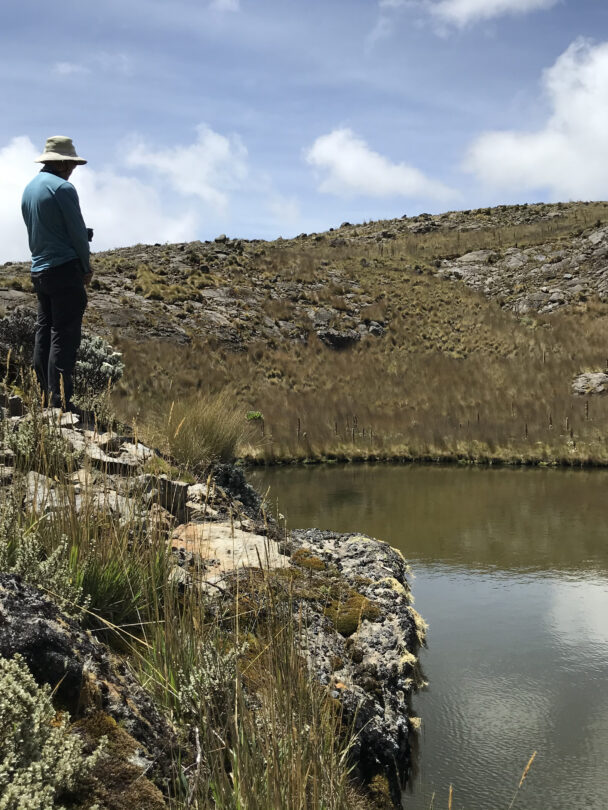
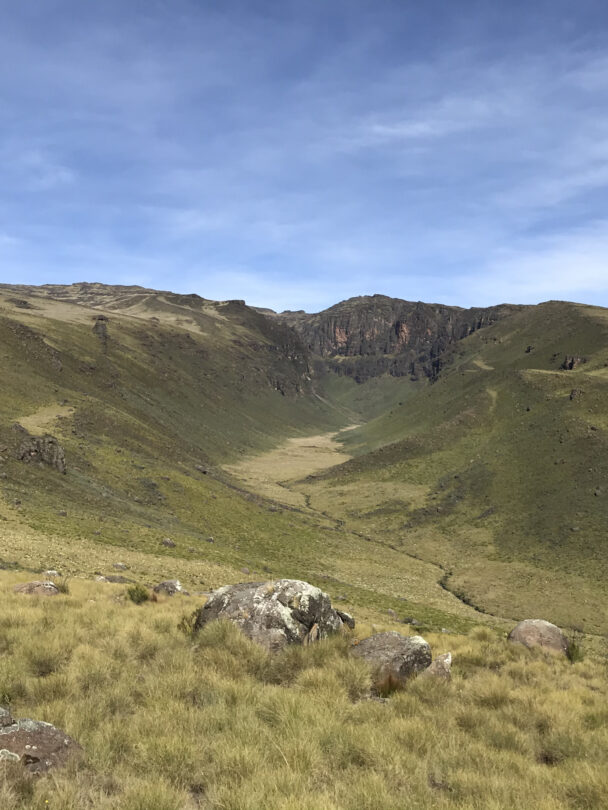
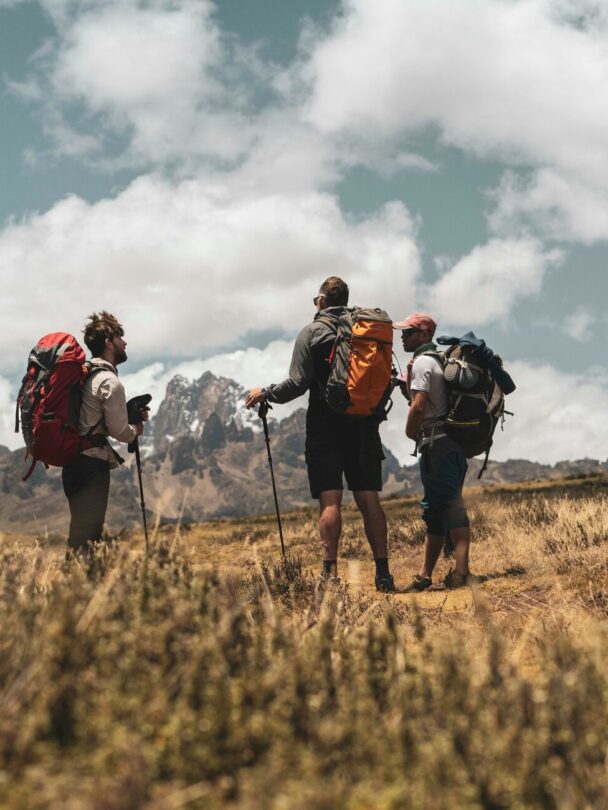
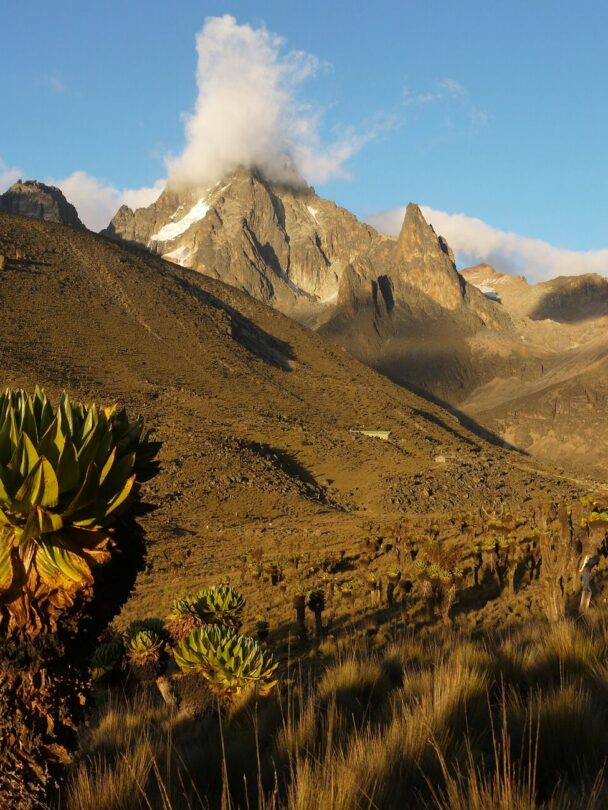
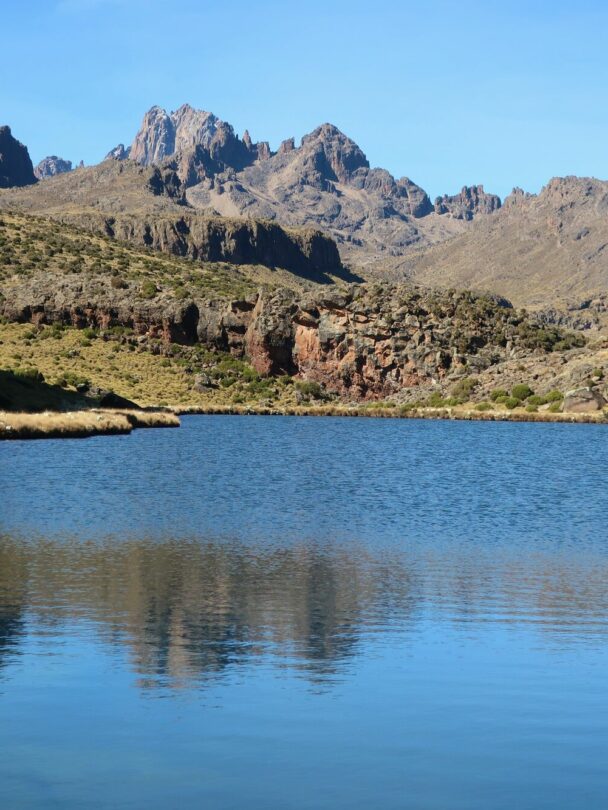
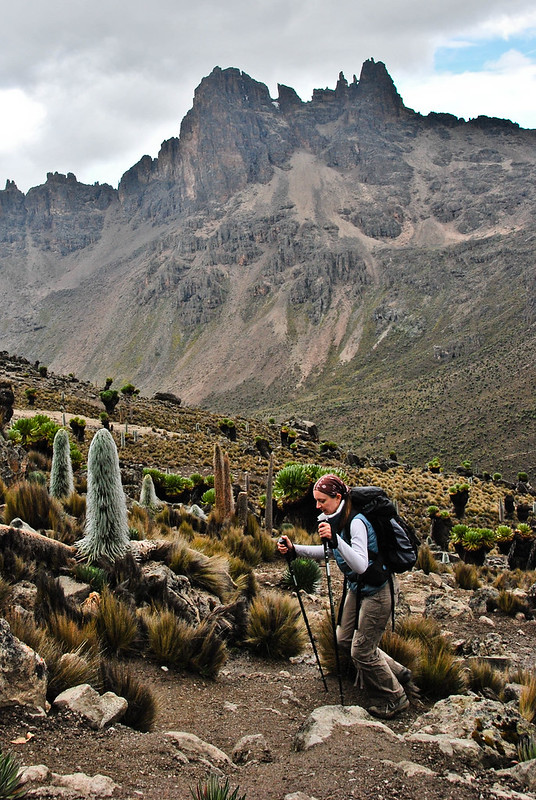
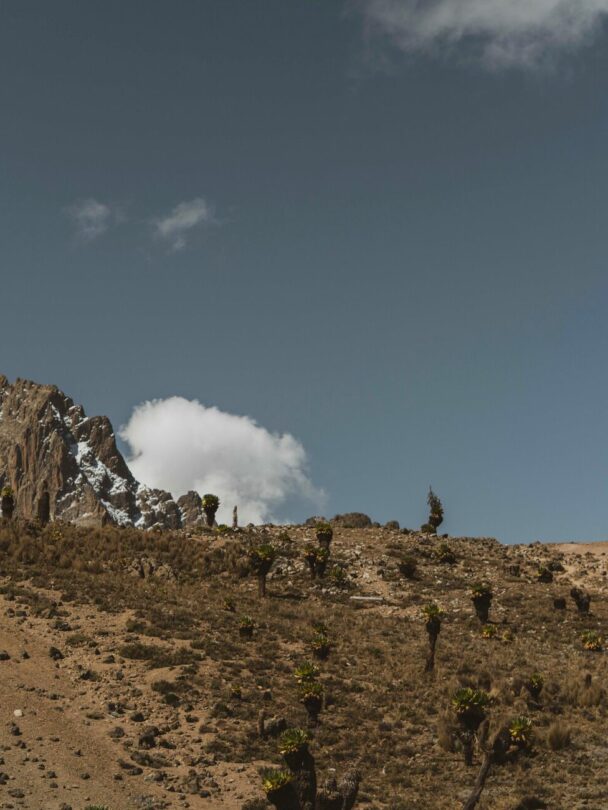
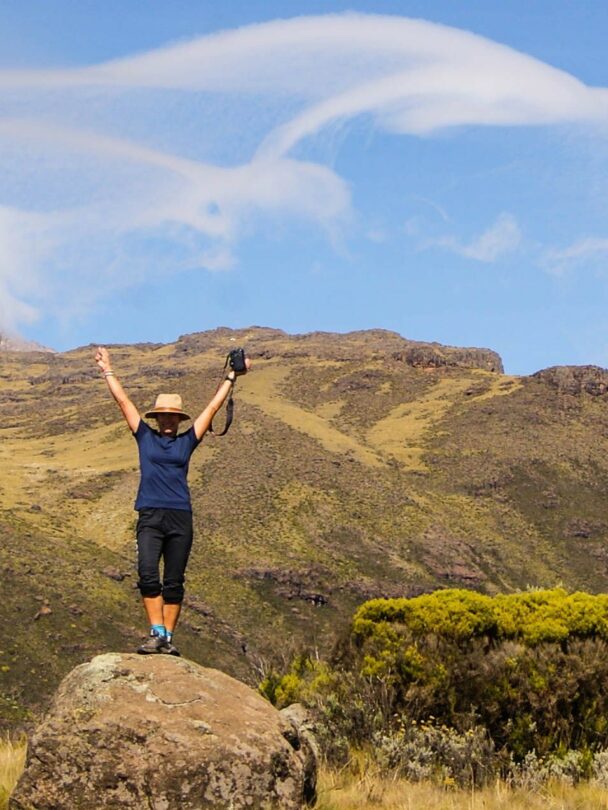
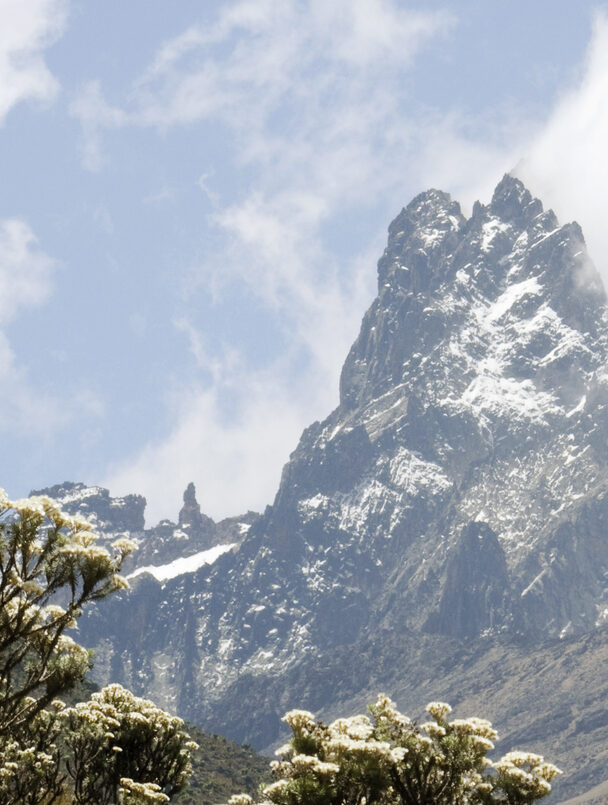
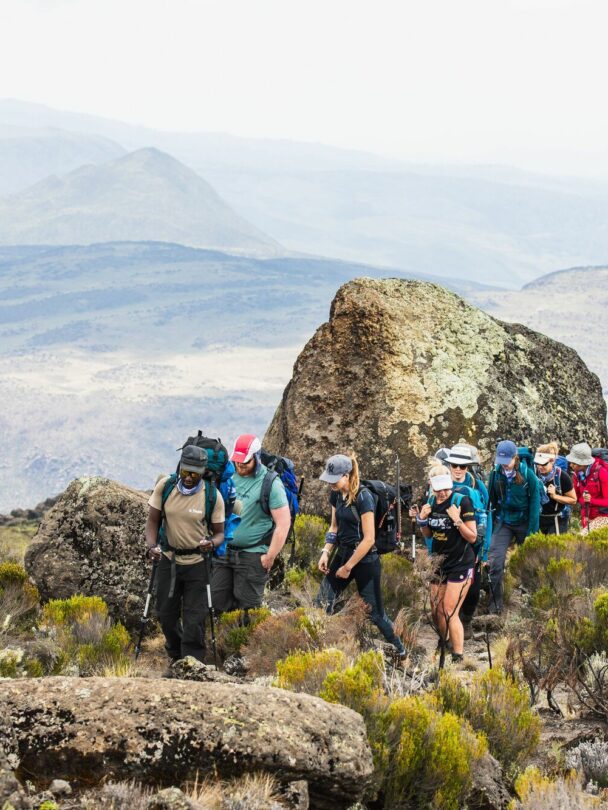
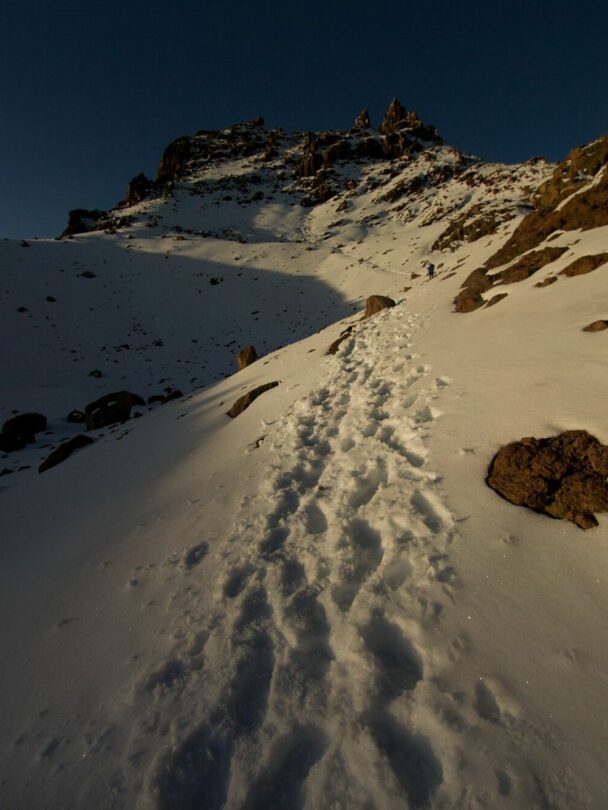
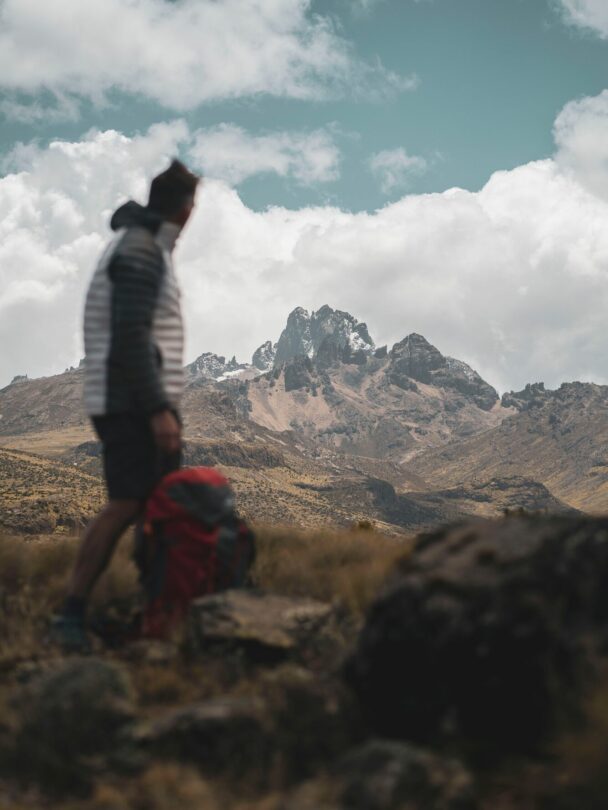
Many thanks to the brilliant team of African Ascent for a memorable ascent of Mt. Kenya. This was a very well organized, extremely comfortable trek and an enjoyable climb all the way to the peak, Batian, at 5199m, the true summit of the mountain. African Ascent put together a tailor-made 7-day itinerary at fairly short notice demonstrating their experience of organizing a climb such as this. African Ascent provided an extremely high level of comfort during the trek: I had a very roomy two-man tent for myself, a huge mess tent for mealtimes when it was just that little bit too chilly or wet to enjoy al fresco dinners, a portable loo tent, comfortable lightweight chairs (by Helinox), hot water to wash in the morning as well as at the end of a trekking day and a massive amount of very tasty always freshly prepared food. All in all African Ascent did not only make it a very comfortable trip but I always also felt I was attended by a very safe pair of hands (or make that 17 pairs).